Innovative wastewater treatment concepts
water reuse and resource recovery in poultry slaughterhouses
water reuse and resource recovery in poultry slaughterhouses

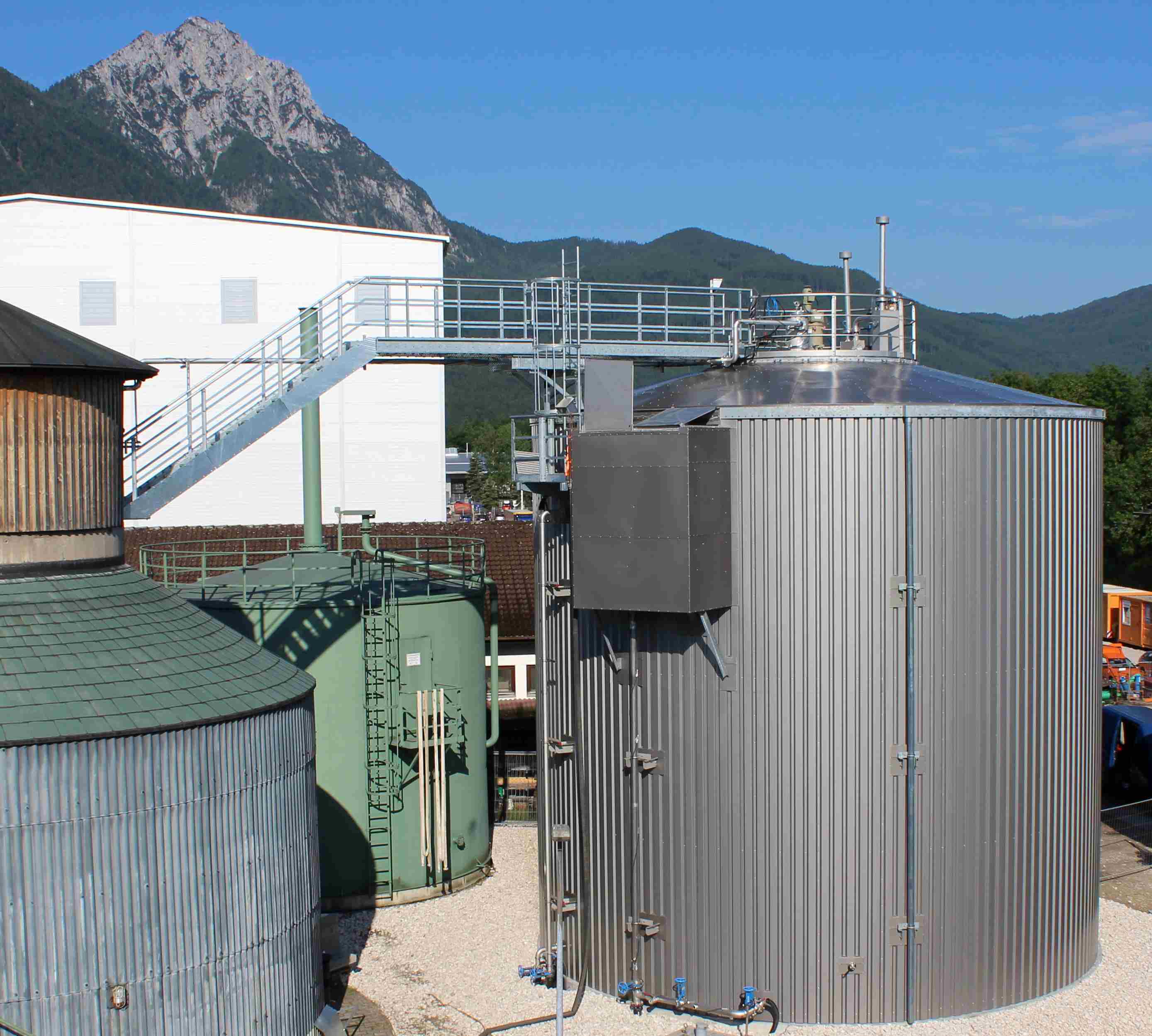
EnviroChemie plans, constructs and operates plants for water treatment, water and product recycling and wastewater treatment. For plant operation, we offer comprehensive services, water chemicals, operating models and contracting. With the WaterExpert app, EnviroChemie offers a smart solution for the digitalisation of water technology to ensure a complete overview of the plant operation and all processes of the treatment plant at all times.
The slaughtering and processing of poultry results in wastewater with very high pollution loads. Between 10 and 15 litres of fresh water are used per slaughtered chicken that then have to be treated before they are discharged into the sewer system or a drainage system.
The demand for “white meat” is growing constantly. This is leading to ever larger slaughterhouse lines. The wastewater produced can total between 1,500m³ and 8,000 m³ per day. This calls for the design and construction of correspondingly large wastewater treatment systems.
The innovative plant solutions from EnviroChemie help not only to ensure that the demanded discharge parameters are reliably achieved, but also to significantly reduce the CO2 footprint of the production.
This is achieved by combining our processes in such a way that, for example, biogas can be generated from the resulting wastewater and/or sludges. Or we separate oils and fats from the sludge which, after treatment, can be used as biofuel in the company's own boilers. The growing demand for fresh water can be compensated by water reuse, offering planning security with respect to the fresh water availability and costs.
We develop customised concepts for the sludge disposal to ensure planning security for the costs here, too.
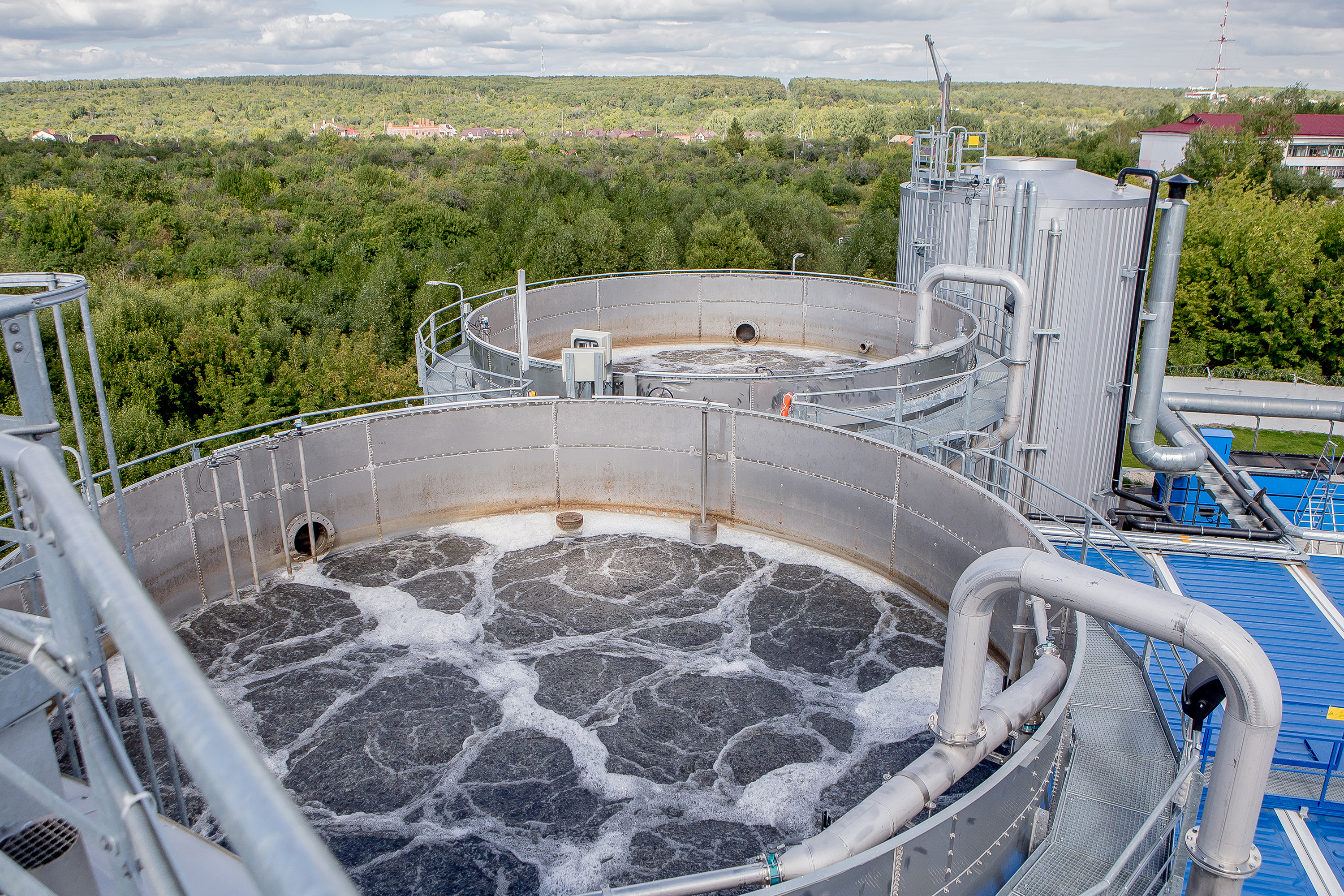
Our resource-efficient plant solution initially provides for a two-stage pretreatment of the wastewater by Flomar® flotation. The first flotation stage requires no use of chemicals and removes a large proportion of the solids and fats from the wastewater.
In this way we ensure that up to 60% of the water chemicals can be saved in the second flotation stage that would otherwise be necessary without pretreatment. The chemical-free flotation sludges from the first flotation that consist mainly of oils and fats can be reliably separated off in a 3-phase decanter. This offers the possibility of using the treated oil as biofuel to generate energy in the boiler. In the second flotation stage with chemical pretreatment, the solids and fats can be reduced in total by up to 98%, relieving the downstream Biomar® biological wastewater treatment process and allowing significant savings in aeration energy. In the biological treatment stage, the organic load and the nitrogen content are further reduced to achieve direct discharge quality. The very well cleaned water can then be treated using Envopur® ultrafiltration and reverse osmosis to produce drinking water quality that can be reused in the plant.